If you run a cabinet making business in Australia, you have probably noticed the same pressure many workshop owners are facing right now — skilled labour is getting harder to find, wages continue to rise, and customers still expect fast turnaround times.
For many businesses, the conversation around investing in a CNC woodworking machine used to be about future growth. Today, it is becoming a practical decision about efficiency, reliability, output, and staying competitive in a tighter labour market.
At Tuckwell Machinery, we work with cabinet makers and woodworking businesses across Australia who are dealing with these challenges every day. Because the business was originally built around servicing and repairing machinery, the team understands the real-world production challenges cabinet manufacturers face every day. Many are trying to increase production without simply adding more staff, more overtime, or more pressure on an already busy workshop.
The reality is that CNC automation is not about replacing good tradespeople. For many Australian cabinet shops, it is about helping skilled staff do more of the right work, reduce repetitive manual tasks, and improve production consistency.
Cabinet making has always relied on skill, accuracy, and experience. The challenge today is that skilled workers are not always easy to find, especially for workshops that are trying to grow or keep up with regular project demand.
When a business is relying heavily on manual cutting, measuring, machining, and repetitive production work, labour shortages can quickly become a major bottleneck. Even when skilled staff are available, the true cost of labour goes well beyond hourly wages.
Workshop owners need to account for training, supervision, recruitment, downtime, overtime, rework, payroll obligations, and the productivity loss that happens when one part of the workflow slows everything else down.
This is why more cabinet makers are looking closely at automation. A well-configured CNC router can help reduce pressure on staff, improve workflow, and allow a smaller team to produce more consistent work.
For most cabinet making businesses, labour is one of the largest ongoing expenses. Every hour spent manually marking, cutting, drilling, checking, correcting, and remaking components affects the overall profitability of a job.
A single production delay or machining mistake can lead to material waste, rework, delayed installation dates, unhappy clients, and reduced profit margins.
This is where CNC automation can make a significant difference. Investing in the right machinery can help workshops reduce repetitive labour, improve accuracy, and create a more predictable production process.
For businesses comparing machinery options, Tuckwell Machinery has also covered this topic in more detail in The Real Cost of a CNC Wood Router in Australia.
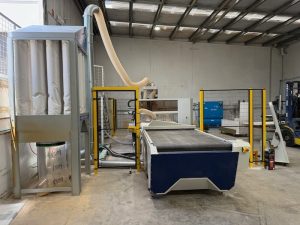
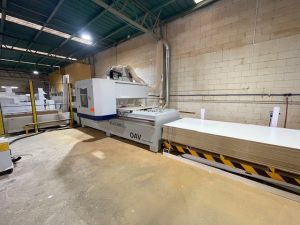
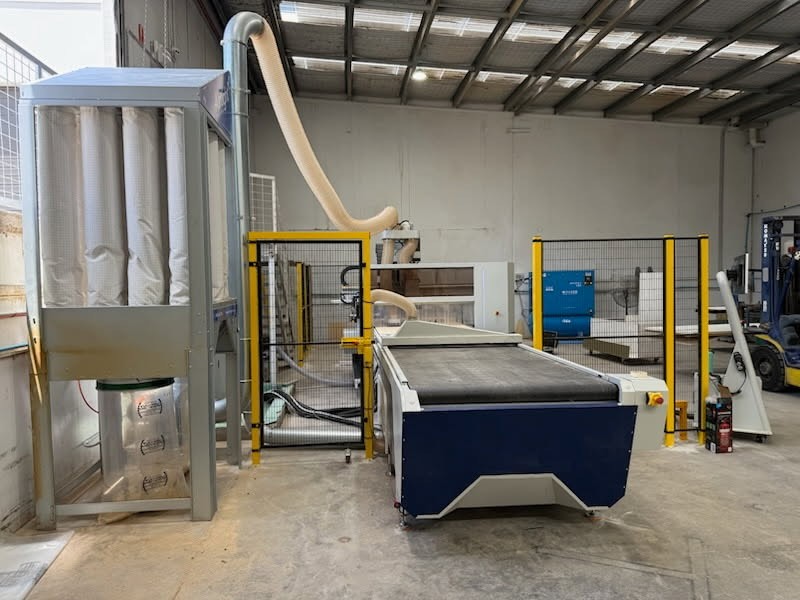
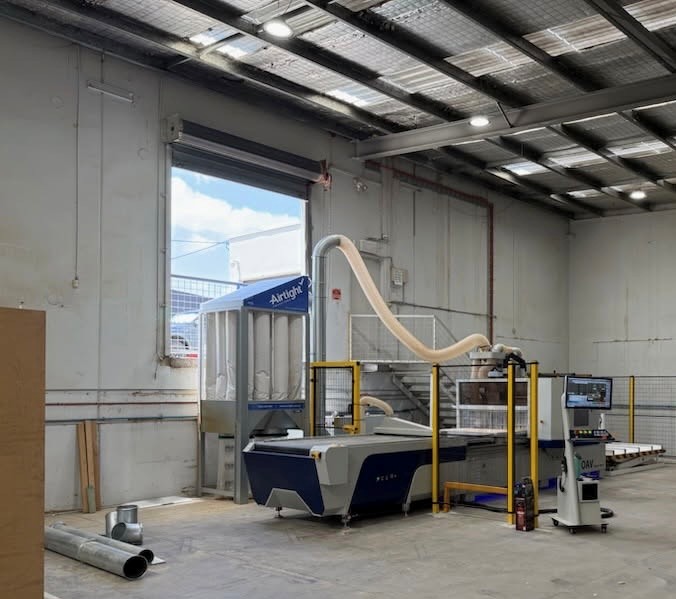
A modern CNC wood router allows cabinet makers to automate many repetitive cutting, routing, drilling, and nesting tasks with a high level of accuracy.
Instead of relying heavily on manual measuring and cutting, jobs can be programmed, nested, and repeated consistently. This helps reduce human error and creates a smoother workflow from design through to machining and assembly.
For many workshops, the improvement is not just about speed. It is about consistency, reduced waste, less rework, and better use of the skilled people already in the business.
We have covered this broader production benefit in more detail in How CNC Automation Can Increase Workshop Output.
One of the biggest changes in the cabinet making industry is that smaller workshops can now compete with much larger operations by using the right machinery setup.
A well-planned CNC workflow can allow a small team to process more sheets, improve repeatability, reduce manual handling, and take on larger projects with greater confidence.
This is especially valuable for Australian workshops that want to grow without constantly relying on additional labour. Rather than adding more pressure to the team, automation can help create a more efficient production system.
For some workshops, this may involve a flat bed CNC router as the main production machine. For others, the best setup may also include panel saws, edgebanders, CNC drilling machines, dust collector systems, and other supporting machinery.
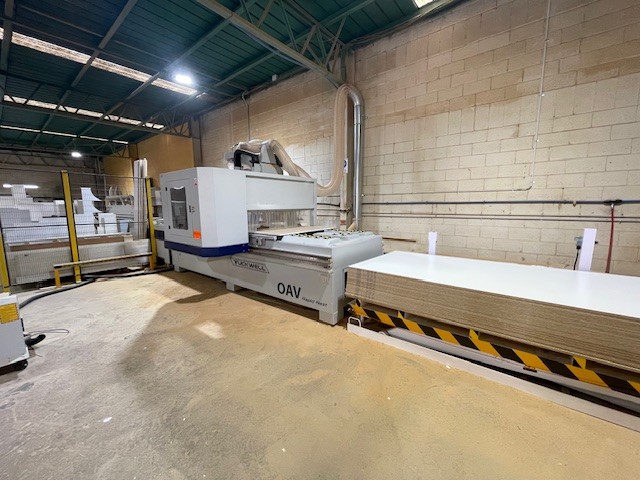
Material costs are another major consideration for cabinet shops. When sheet material prices increase, every cutting error becomes more expensive.
A wood working cnc router machine can help improve sheet optimisation, reduce cutting mistakes, and create more consistent component sizing. Over time, reducing waste can have a meaningful impact on profitability, especially for workshops processing large volumes of board each week.
It can also help reduce the frustration and downtime that comes from remaking parts, reordering material, and delaying installation teams because components were cut incorrectly.
One of the biggest mistakes businesses make when purchasing woodworking machinery is focusing only on the purchase price.
Support, servicing, software configuration, spare parts, training, and technical backup are just as important as the machine itself — especially in busy production environments where downtime can quickly become expensive.
At Tuckwell Machinery, customers are not simply dealing with machinery salespeople. The business was originally built around servicing and repairing woodworking machinery, which means the team understands what happens inside real Australian workshops.
That hands-on experience gives Tuckwell Machinery a very different perspective compared to many machinery resellers. The team works with workshops daily, sees where businesses lose time and money, understands production bottlenecks, and helps cabinet makers choose machinery suited to real production environments.
Rather than simply selling machinery, Tuckwell Machinery helps workshops choose equipment that improves productivity, reliability, workflow, and long-term scalability.
This technician-led approach is one of the reasons many Australian woodworking businesses continue to trust Tuckwell Machinery as they grow.
As machinery prices rise, it can be tempting for businesses to source cheaper equipment directly from overseas. Unfortunately, the initial saving can quickly disappear if the machine is not compliant, incorrectly configured, difficult to service, or unsupported locally.
Some imported machines may not be suitable for Australian workshop conditions, Australian standards, software requirements, or long-term production use.
When a machine goes down, the real cost is not just the repair. It is the lost production, delayed jobs, staff downtime, and stress that comes with trying to keep a workshop running.
This is why local support matters. Tuckwell Machinery supplies machinery Australia-wide, but just as importantly, they service and support the machinery they sell.
For businesses researching CNC options, What To Look For In CNC Woodworking Machines Australia is a useful guide to help understand what should be considered before investing in new equipment.
Years ago, CNC automation was mainly associated with large manufacturing facilities. Today, small and medium-sized cabinet shops are also investing in CNC technology to improve productivity and stay competitive.
For many businesses, the goal is not to become a huge factory. It is to create a smoother, more profitable, and more reliable workshop that can handle demand without constantly increasing labour pressure.
Automation can help cabinet makers take on more work, improve turnaround times, reduce rework, and create a more scalable production process.
A CNC router can be a major step forward, but the most efficient workshops usually look at the full production workflow.
This may include how sheets are cut, how panels are drilled, how edges are finished, how parts move through the workshop, and how machinery is supported over time.
For example, a workshop investing in CNC machinery may also need to consider whether their current edgebander is keeping up with production. Tuckwell Machinery has covered this in Choosing The Best Edgebander For Your Small To Medium Shop.
Looking at the full workflow helps businesses avoid simply moving the bottleneck from one area of the workshop to another.
If you are considering upgrading your workshop, Tuckwell Machinery can help you choose machinery that suits your production needs, workshop space, software requirements, and long-term growth goals.
As a technician-led machinery supplier, Tuckwell Machinery understands that the right machine is not just about specifications on paper. It needs to work reliably in a real workshop, with the right support behind it.
Explore Tuckwell Machinery’s range of CNC wood router machines in Australia, CNC drilling machines, panel saws, and edge banders.