Relocating a Woodworking Workshop? What You Need to Know About Moving Industrial Machinery
Moving a joinery or woodworking manufacturing workshop involves much more than transporting machinery from one building to another. Careful planning, specialised handling and correct reinstallation are essential to getting your equipment back into production.
Whether you’re relocating a cabinet-making business, expanding into larger premises or moving individual machines, industrial woodworking equipment requires careful preparation and setup.
At Tuckwell Machinery, we’ve helped numerous joinery and manufacturing businesses relocate their machinery to new premises, from initial pack-down and transport through to installation and operational testing.
Plan Your Workshop Relocation Before Moving Day
A successful workshop relocation starts well before the first machine is disconnected. Every piece of equipment needs to fit into the new space, with suitable access, services and room for production.
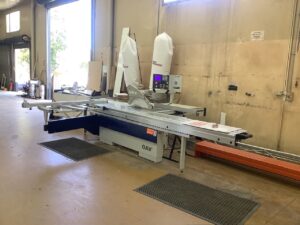
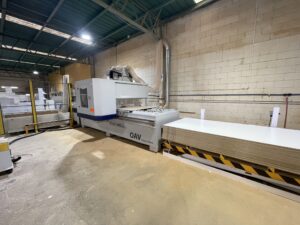
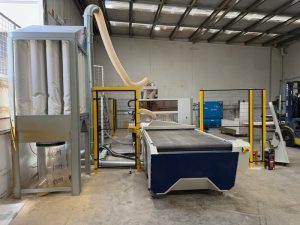
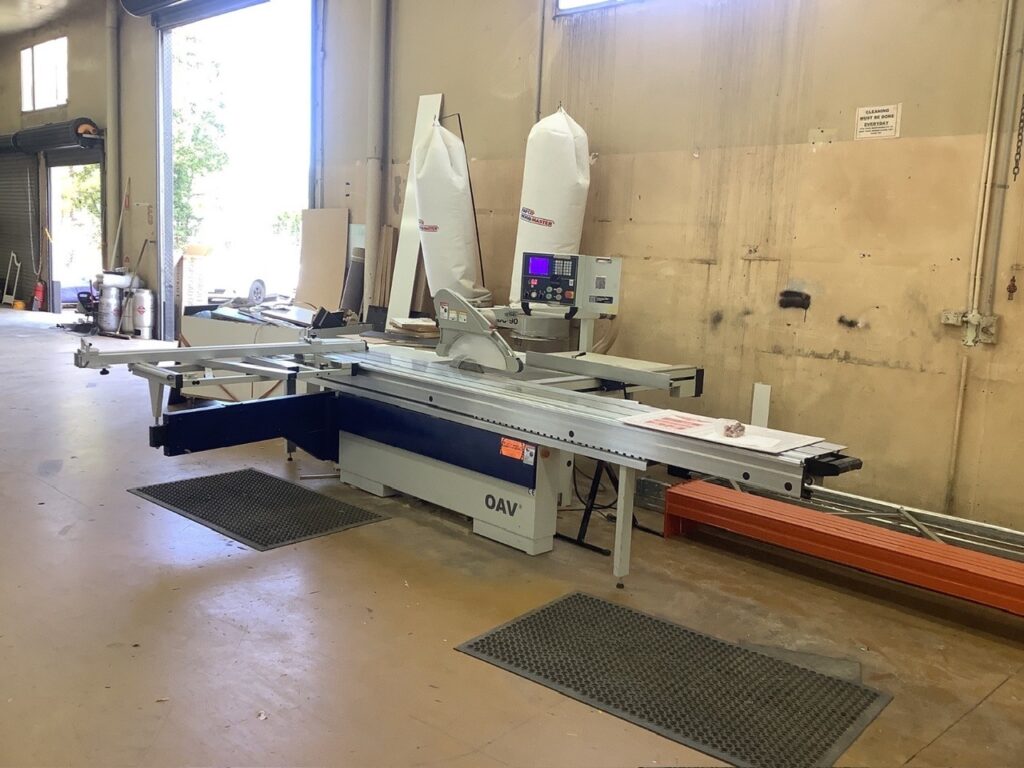
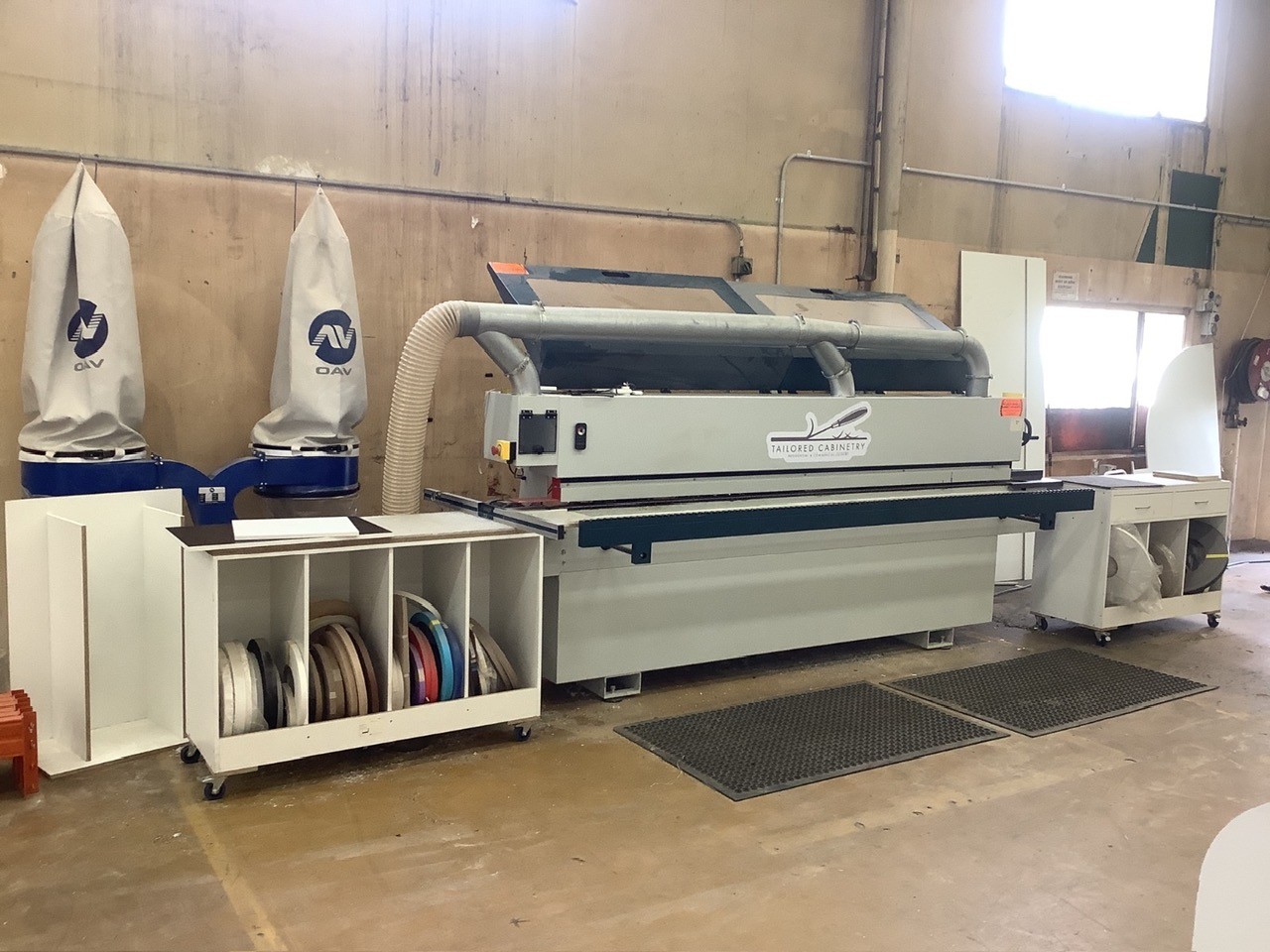
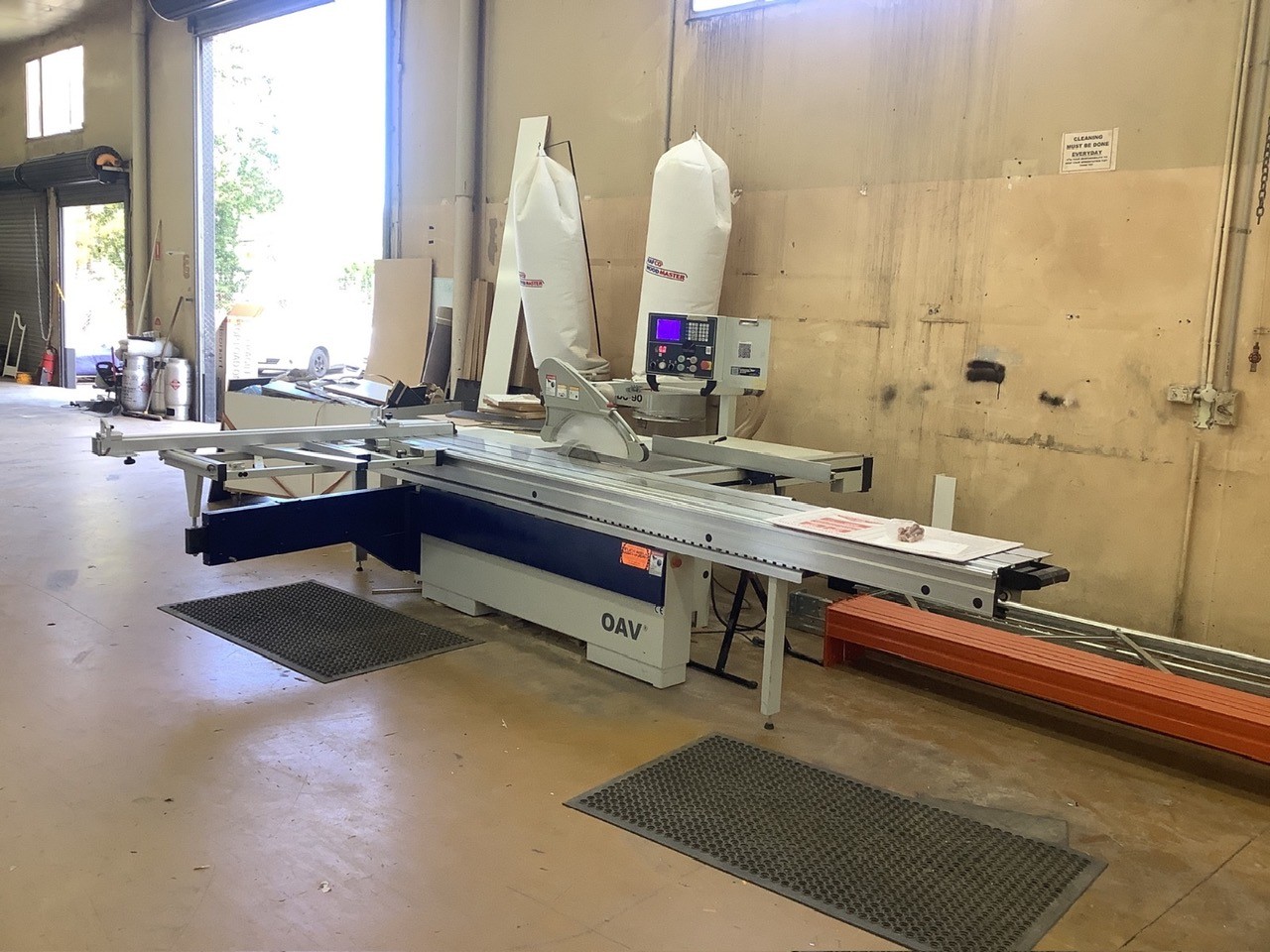
For cabinet-making and joinery businesses, it’s important to consider how flat bed CNC machines , edgebanders , panel saws , dust extraction systems and other equipment will work together in the new layout.
Planning tip: Confirm the electrical supply, services and access requirements at the new premises before committing to your moving date. Discovering an issue after your machinery arrives can cause unnecessary delays.
Professional Machinery Pack-Down and Preparation
Industrial woodworking machinery isn’t designed to be moved like ordinary workshop furniture.
Depending on the machine, relocation may involve safe isolation, disconnection, dismantling selected components and securing moving parts to prevent damage during transport.
Flat bed CNC machines, edgebanders and precision cutting equipment can contain sensitive mechanical and electronic components. Incorrect handling may affect alignment, accuracy or operation.
Having experienced machinery technicians manage the pack-down helps ensure equipment is properly prepared before it leaves the workshop.
Transporting Industrial Woodworking Machinery
Moving heavy machinery requires appropriate lifting equipment, careful handling and transport suited to the machine’s size and weight.
Components need to be secured and protected, particularly on machines with precision guide systems, control panels, spindles or other vulnerable parts.
Workshop access can also present challenges. Narrow doorways, limited loading areas, floor levels and restricted vehicle access can all affect how equipment is moved.
Tuckwell Machinery has experience coordinating machinery relocations for its customers, helping manage the movement of equipment between workshop locations.
Reinstallation, Setup and Testing at the New Workshop
One of the most important stages of a woodworking machinery relocation takes place after the equipment arrives.
Machines may require levelling, alignment, reassembly, calibration and reconnection to the workshop’s electrical supply and supporting services.
For flat bed CNC machines, panel saws and other precision machinery, correct setup is particularly important for maintaining cutting accuracy and production quality.
Machinery should also undergo appropriate operational and safety checks before returning to service. Electrical work must be performed by suitably licensed personnel where required.
Important: A machine arriving safely at the new premises doesn’t necessarily mean it’s ready for production. Proper setup and testing are an essential part of the relocation process.
Minimise Workshop Downtime with an Experienced Team
For a busy cabinet-making or manufacturing business, every day without operational machinery can affect production schedules and customer commitments.
Coordinating machinery pack-down, transport, reinstallation and testing as part of an organised relocation plan can help reduce disruption.
Working with people who understand industrial woodworking machinery also means potential installation or operational issues can be identified before production resumes.
Whether you’re relocating a single flat bed CNC machine or an entire joinery workshop, it pays to involve an experienced machinery team early in the planning process.
Woodworking Machinery Relocations with Tuckwell Machinery
Relocating industrial woodworking machinery is a service we’re familiar with at Tuckwell Machinery .
We’ve assisted numerous existing customers with moves to new premises, including joinery workshops, cabinet-making businesses and manufacturing operations.
Our involvement can cover the complete relocation process, from machine pack-down and transport through to reinstallation, setup and testing at the new location.
With experience supplying, installing, servicing and repairing industrial woodworking machinery, our team understands the importance of getting equipment correctly set up and ready to return to production.
Machinery Pack-Down
Preparing equipment for relocation, including dismantling and securing components where required.
Transport Coordination
Coordinating appropriate machinery handling and transport between workshop locations.
Reinstallation & Setup
Reassembling, positioning and setting up machinery at its new premises, according to its requirements.
Testing & Support
Checking relevant machinery functions after installation and assisting with ongoing technical support.
Learn more about our machinery installation, servicing and technical support services .
Woodworking Machinery Relocation FAQs
Common questions from businesses planning to move industrial woodworking equipment or relocate a joinery workshop.
Can Tuckwell Machinery relocate an entire joinery workshop?
Yes. Tuckwell Machinery has assisted numerous cabinet-making, joinery and manufacturing businesses with machinery relocations to new premises. Depending on the requirements, this can involve pack-down, transport coordination, reinstallation, setup and equipment testing.
Can a flat bed CNC machine be moved to another workshop?
Yes. Flat bed CNC machines can be relocated, but they require careful preparation, handling and setup. Depending on the machine, components may need to be secured or dismantled, followed by levelling, alignment checks and operational testing after installation.
Does woodworking machinery need to be tested after relocation?
Machinery should undergo appropriate checks before returning to production. Relocation can affect alignment, settings and connections. Testing helps identify issues and confirm that relevant functions and safety systems operate as intended.
How can a workshop minimise downtime during a machinery relocation?
Plan the move early, confirm the new workshop’s power, access and service requirements, and coordinate pack-down, transport, installation and testing. Involving an experienced machinery relocation team can help reduce avoidable delays.
Talk to Tuckwell Machinery About Your Workshop Relocation
Relocating a woodworking workshop? Whether you’re moving a flat bed CNC machine, edgebander, panel saw or an entire manufacturing workshop, Tuckwell Machinery can discuss your relocation requirements.
Our experienced team can help plan the machinery pack-down, transport, reinstallation, setup and testing so you can get back to production.